


Riley B. “B.B.” King
(Born September 16, 1925 — Died May 14, 2015)
Of all the blues artists, few matched B.B. King’s global reach or enduring influence. Known as the “Ambassador of the Blues,” he built a vast discography and a near-lifetime bond with his guitar, Lucille.
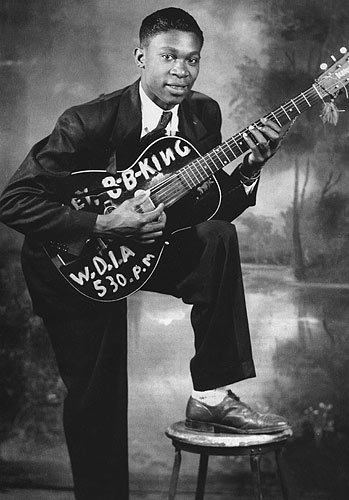
He was born on a farm between Berclair and Itta Bena, Mississippi, to Albert and Nora Ella King (not the guitarist Albert King). After his parents separated, he lived with his mother and then his grandmother in Kilmichael. Church shaped his earliest music—hymns honed his singing, and a preacher showed him basic guitar chords.
Hardship came early. His mother died when he was young; after time with his grandmother he spent stretches on his own, working and attending school. He later settled in Indianola, Mississippi, sharecropping and driving a tractor—work he remembered with pride.
At night he played on Indianola’s Church Street and learned that blues drew bigger crowds than gospel. He married, narrowly avoided military service, and sang with the St. John’s Gospel Singers on local radio. A mishap with a tractor muffler pushed him to try music full time in Memphis—though he later returned to repay his debt before moving back to pursue his career.
In Memphis he sought out his cousin, bluesman Bukka White, and absorbed lessons on Beale Street. He connected with Sonny Boy Williamson II, and soon earned air time and gigs. On WDIA, one of the first U.S. radio stations with all-Black programming, he became “Beale Street Blues Boy,” shortened to “B.B.”
Recording offers followed. Working with the Bihari brothers’ RPM/Modern labels—and recorded in Memphis by Sam Phillips before Sun Records existed—King scored his first national hit with “3 O’Clock Blues” (1951–52). A relentless touring schedule on the Chitlin’ Circuit cemented his reputation; marriages strained under the pace, and his second marriage ended in 1969, the same year he opened U.S. shows for the Rolling Stones.
The late 1960s and early 1970s brought major crossover success. “The Thrill Is Gone” won a Grammy and broadened his audience. Collaborations became a hallmark: the U2 single “When Love Comes to Town” (1988) and the Eric Clapton album Riding with the King (2000) introduced him to new generations. The duet set Deuces Wild (1997) paired him with artists from Dr. John to the Rolling Stones, and One Kind Favor (2008) later won the Grammy for Best Traditional Blues Album.
King toured for decades, often playing well over 200 shows a year into his seventies and beyond. Honors accumulated: 15 Grammy Awards (including a 1987 Lifetime Achievement Award), Blues Hall of Fame induction in 1980, and Rock & Roll Hall of Fame induction in 1987. Gibson introduced the B.B. King “Lucille” model in 1980 to his specifications.
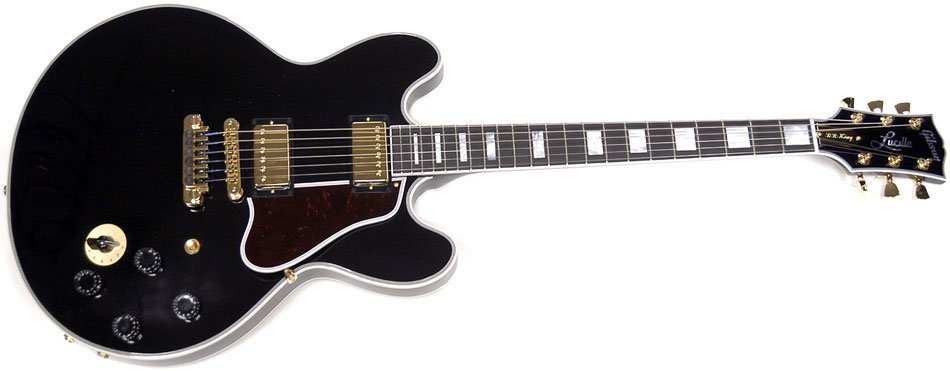
He also invested in community and legacy. Multiple B.B. King’s Blues Club venues carried his name, and the B.B. King Museum and Delta Interpretive Center opened in Indianola in 2008, celebrating Delta life, race, and American music through his story. Despite global acclaim, he remained famously gracious—quick to credit his band, greet fans, and remember his Mississippi roots.
B.B. King died on May 14, 2015, in Las Vegas, Nevada, leaving a musical legacy that reshaped blues and influenced rock, R&B, and soul worldwide.
Notable songs by B.B. King
Three O’Clock Blues
The Thrill Is Gone
Nobody Loves You When You’re Down and Out
Browse the collection. Wear the legacy.
-
 Hot
HotCheech and Chong Los Cochinos T-Shirt – Classic Heavy Cotton
Price range: $34.97 through $39.97 This product has multiple variants. The options may be chosen on the product page -
 Hot
HotCheech and Chong Los Cochinos T-Shirt – Lightweight Vintage Style
Price range: $34.97 through $38.97 This product has multiple variants. The options may be chosen on the product page -
 Hot
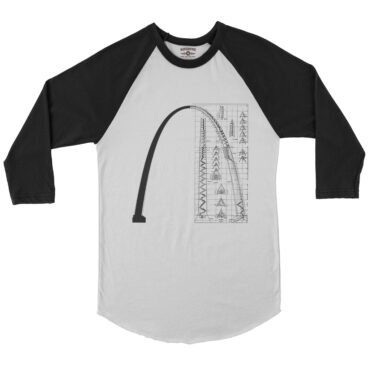
HotSaint Louis Arch Architecture Baseball T-Shirt
Price range: $37.97 through $39.97 This product has multiple variants. The options may be chosen on the product page -
Hot
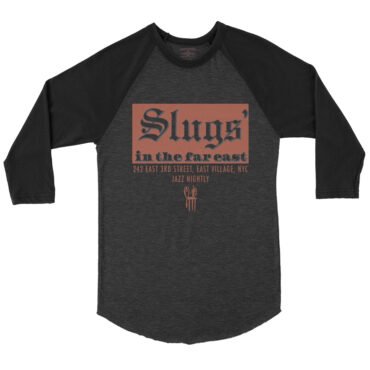
Slugs in the East Side Baseball T-Shirt
Price range: $37.97 through $39.97 This product has multiple variants. The options may be chosen on the product page