


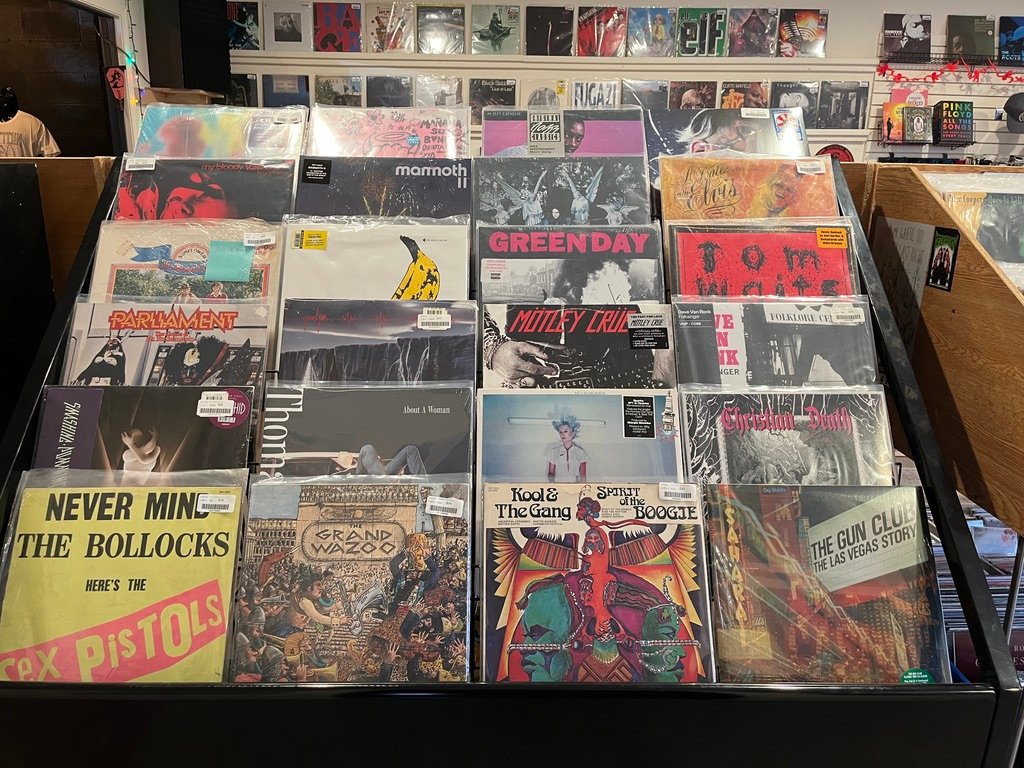
Got records to sell but not sure where to start?
You’re not alone! Whether you’re downsizing, settling an estate, or finally ready to move on from a record collection, this guide explains how to evaluate vinyl records, where to sell a record collection, and how to get a fair price with minimal hassle.
The Quick answer: We buy vinyl record collections! Based in the Midwest with 10+ years of experience, we purchase collections in Missouri, across the Midwest, and nationwide (with safe shipping options). If you want a fast, fair offer and zero stress, contact us here.
Your Options in a Chart
| Where to Sell | Best For | Pros | Cons | Net to You | Time/Work |
|---|---|---|---|---|---|
| Sell to a Professional Buyer/Dealer (like us) | Whole collections, fast turnarounds, estates | Immediate offer, one appointment, we handle hauling/cleaning | We need margin to resell | $$ | Very low |
| Local Record Store | Small–medium lots, common titles | Quick, local, cash/store credit | Offer varies by shop; may cherry-pick | $–$$ | Low |
| Online Marketplaces (Discogs/eBay) | Individually valuable records, rarities | Potentially highest per-item price | Fees, grading, packing, returns, time sink | $$$ (after fees) | High |
| Facebook Marketplace/Craigslist | Local bulk sale | No platform fees | No-shows, haggling, safety concerns | $–$$ | Medium |
| Consignment /Auction | Rare pieces, signed items, sealed lots | Pro marketing, bigger buyer pool | Commission, delays, unsold risk | $$–$$$ | Medium |
| Donate (charity, library sale) | Low-value/common LPs, moving deadlines | Fast & easy; tax receipt | No cash offer | — | Very low |
Step 1: Make a Quick Inventory
You don’t need to know much about music!
First, just get a quick count of your records. Especially the “bigger” records, the 12″ ones. Quick hint, a standard square 13″ cube holds about 60 to 70 records.
Get an idea for the Genre or type of music, if you can: What kinds of music are in it? Jazz? Rock? Big Band? If you’re confident sorting records by genre, feel free to do so but it is not necessary to sell your records.
Optionally pull out valuables: If there’s any records you suspect or know to be more valuable than the others, keep them in their own group for faster looking.
Sort by condition: Most records with serious mold or water damage, or severely warped for example, are not going to be worth much if anything.
Turntables & gear: Note working receivers, speakers, cartridges (often we buy these too).
Quick Tip: A few snapshots from your phone of random shelves + any standout records helps a buyer estimate value quickly.
Step 2: Understanding the Value
You don’t need to understand the value of every (or even any) record to sell your collection, but if you’re interested in the records’ worth, this may help you better understand how to gauge that.
Pressing matters: First pressings, country of origin, label variations, matrix/runout info can all change a records’ value dramatically. There are little numbers and letters and squiggles etched around the outside of the label of every record (that area is called the run out groove). To know exactly which album you’ve got, you would need to have that number exactly. Sometimes one character can be the difference between two nearly identical pressings.
Condition matters more: Sleeve & vinyl condition usually make the biggest difference in price.
Demand matters most: Some artists/eras simply sell faster; others are over-supplied.
How do I grade records? Goldmine Grading in a Nutshell:
- NM (Near Mint): Looks unplayed, no marks. Top value.
- EX/VG+: Light signs of play, minimal noise. Strong value.
- VG: Noticeable wear/surface noise. Bread-and-butter grade.
- G+/G: Heavier wear; OK for rare titles, otherwise low value.
- Poor/Fair: Fillers only; usually unsellable individually.
DIY pricing check: you can try looking up a few titles’ sold prices (not asking prices) on reputable marketplaces like ebay, Discogs, Popsike, etc. Remember to subtract fees, shipping, and returns when comparing to a dealer offer.
Most importantly: Not all pressings are the same! Some records that casually look identical or close to it can be worth several times other pressings that look the same.
Step 3: Decide HOW You Want to Sell
A) Sell the Whole Collection to a Buyer/Dealer (Fastest)
If you want speed and certainty, this is the cleanest option. We buy collections in Missouri (St. Louis, Kansas City, Columbia, Springfield), across the Midwest, and nationwide. We can often travel for sizable collections or arrange insured shipping. You get one offer, one pickup, one quick payment. Reach us here.
B) Sell the whole or partial collection to Local Record Stores
This is always a good, reliable option — especially for smaller collections or common titles. Expect a quick look-through and a same-day offer. If the size of the collection is less than a couple hundred, most record stores should be able to give you an offer pretty quick. Record stores often offer more in store credit than cash.
C) Sell Individual Records Yourself Online (eBay, Discogs)
If you’re willing to grade accurately, write listings, pack safely for shipping, ship, and handle customer issues, you’ll get the maximum potential price; but you will also have the maximum amount of time investment.
This is a good option for titles that you know have demand, or high value. However, pack records carefully! Bad shipping experiences have ruined many good records.
D) Sell Records on Local Marketplaces (Facebook/Craigslist)
This is OK for bulk sales. Price realistically to avoid weeks of messages and no-shows. Depending entirely on what records there are, $1 per record can even be asking too much sometimes in some settings. For example: a collection of big band or old country records is likely to be worth far less each than a collection of 80s rock.
Record collections posted on Marketplace are often expected to be bulk sales. Expect haggling.
E) Sell Vinyl at Consignment/Auction
This is primarily used for rarities, certain signed vinyl, or collections with museum-level pieces. Fees apply, timelines are longer, and you would need to research auction houses, but marketing can raise final price.
F) Donation
If the goal is just clearing space, donation is fast and may offer a tax deduction. Pull any obvious valuables first.
How to Prepare Your Records for Sale
- Don’t deep-clean if unsure: Aggressive cleaning can cause damage! Dry brush only; let the buyer handle restoration. Most people don’t clean records before they sell them, and stores aren’t expecting it. Cleaning records, listening for problems in play, etc. is standard operating procedure for stores.
- Keep sets together: Inner sleeves, inserts, hype stickers, and posters add value. Loose records are worth far less, if anything.
- Store vertically: Avoid leaning stacks, it warps records.
- For shipping: Use LP mailers with corner protection, ship the LP outside of the jacket, in a poly inner, add stiffeners, and clearly mark “Do Not Bend.” If you ship a record in a sleeve, it risks damaging the sleeve in transit (called seam splits).
Why Sellers Choose Us
- Over 10 years buying collections—from a few crates to entire estates.
- Missouri & Midwest focus with nationwide buying via safe shipping. We’ve traveled over 1,000 miles for collections!
- Fair, transparent offers based on real-world demand and current sold data.
- Hassle-free logistics: We can pack, haul, and handle the heavy lifting.
- We buy the whole collection, not just the cherry-picks (case-by-case).
Get a no-pressure offer for your records
FAQ: Selling a Vinyl Record Collection
Do you travel to buy collections?
Yes. We regularly buy across Missouri and the Midwest and can often travel for sizable collections. For farther distances, we arrange insured shipping and remote evaluation.
Can I get a ballpark value before you visit?
Usually. Send a rough count, a few shelf photos, and any highlights (artists, sealed LPs, box sets). That’s often enough for a preliminary range pending in-person grading.
Will you buy everything or cherry-pick?
Our goal is to purchase the entire collection when feasible. If a portion has no resale value, we’ll discuss options (donation, recycle) upfront.
Do sleeves and inserts matter?
Yes—original inners, posters, booklets, hype stickers, and clean jackets all raise value.
Do you buy 45s and 78s?
Yes. We buy LPs, 45s, 78s, box sets, and often vintage audio gear depending on condition.
How do you pay?
We pay on the spot at pickup (or upon receipt for shipped collections) via the agreed method.
Should I clean the records first?
Light dusting is fine, but deep cleaning is optional and sometimes risky. We handle professional cleaning.
Ready to Sell? Start Here
- Take 5–10 photos of the shelves and a few standout titles.
- Estimate quantity (LPs/45s/78s) and note any gear.
- Share your city/state and preferred contact method.
Browse the collection. Wear the legacy.
-
 Hot
HotCheech and Chong Los Cochinos T-Shirt – Classic Heavy Cotton
Price range: $34.97 through $39.97 This product has multiple variants. The options may be chosen on the product page -
 Hot
HotCheech and Chong Los Cochinos T-Shirt – Lightweight Vintage Style
Price range: $34.97 through $38.97 This product has multiple variants. The options may be chosen on the product page -
 Hot
HotSaint Louis Arch Architecture Baseball T-Shirt
Price range: $37.97 through $39.97 This product has multiple variants. The options may be chosen on the product page -
Hot
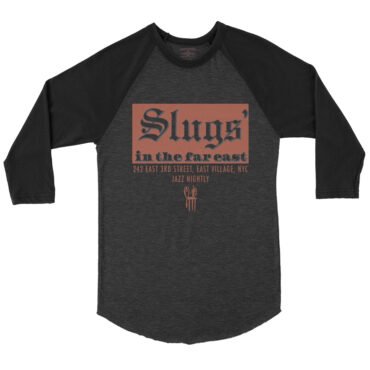
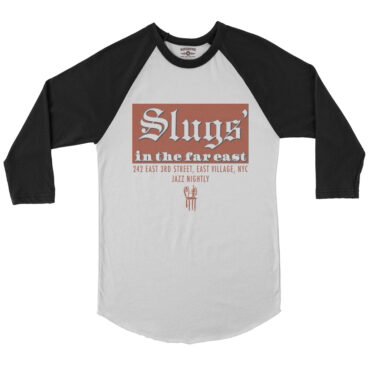
Slugs in the East Side Baseball T-Shirt
Price range: $37.97 through $39.97 This product has multiple variants. The options may be chosen on the product page