


Kansas City, much like New Orleans, has a unique distinction of being a melting pot and a swingin’ capital of Jazz and Blues alike.

While Kansas City is often recognized more for it’s Jazz than it’s Blues, the two sounds often fused and overlapped in famed improvisational jams, turning the unique music of the Missouri border city into what is known as Kansas City Blues or Jump Blues.
Much like it’s cross-state counterpart Saint Louis, Kansas City’s blues and musical style played no small part in influencing what would become R&B; and Rock n’ Roll in the 1950s [1]. Artists such as Tommy Douglas, Jelly Roll Morton’s sideman, and Big Joe Turner recorded a number of notable songs with many of the same techniques that would later become R&B; and Rock, not the least of which was the classic “Shake, Rattle & Roll”.
Several famous blues artists have come out of KC or been pivotal in the development of Kansas City Blues. Musicians like internationally revered Jazz man Charlie Parker, William “Count” Basie, and Louis Jordan (who played the Jump Blues style, though didn’t live in KC) gave the Kansas City’s musical style worldwide popularity and appeal.
Today the Blues still burns red hot in Kansas City, much of it still infused with Jazz in an improvisational melting pot of musical genius. The legendary 18th and Vine resides in the heart of downtown Kansas City and is home to a number of clubs hosting excellent live Blues and Jazz, as well as the American Jazz Museum.
Interestingly, it’s one of the few places in the country (sharing yet another unique distinction with New Orleans’ Bourbon Street) that has immunity form liquor laws and still serves alcohol 24 hours a day. Several festivals celebrate KC’s musical mecca, including the aptly named Kansas City Blues and Jazz Festival and the Boxcar Blues Festival. The Kansas City Blues Society, formed in 1980, is one of the oldest and most active in the country!
Browse the collection. Wear the legacy.
-
Hot
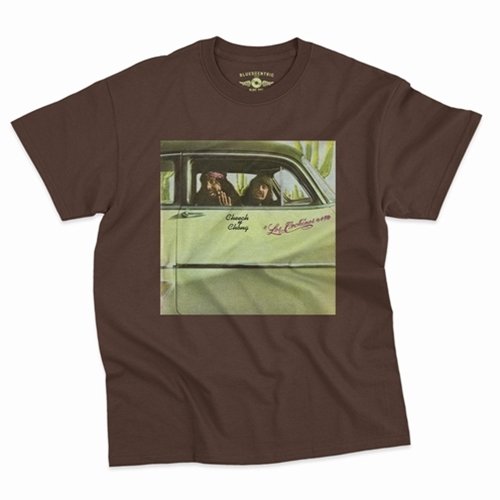

Cheech and Chong Los Cochinos T-Shirt – Classic Heavy Cotton
Price range: $34.97 through $39.97 This product has multiple variants. The options may be chosen on the product page -
Hot
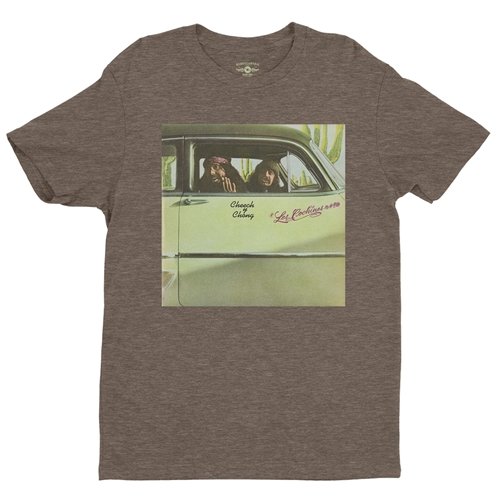

Cheech and Chong Los Cochinos T-Shirt – Lightweight Vintage Style
Price range: $34.97 through $38.97 This product has multiple variants. The options may be chosen on the product page -
Hot
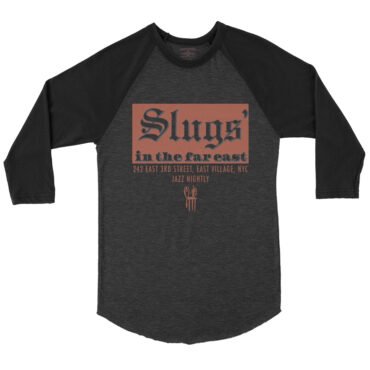
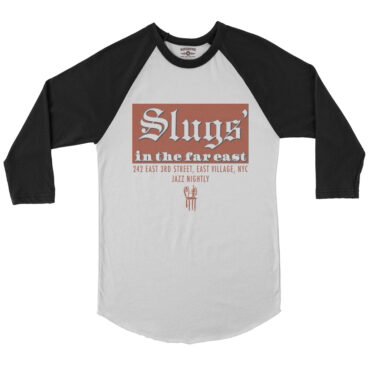
Slugs in the East Side Baseball T-Shirt
Price range: $37.97 through $39.97 This product has multiple variants. The options may be chosen on the product page -
Hot
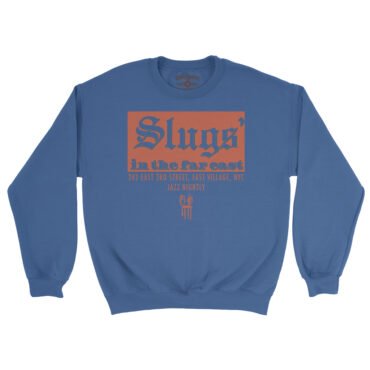
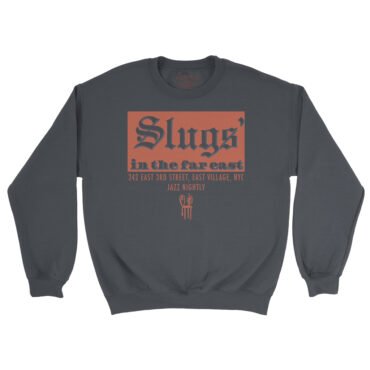
Slugs in the East Side Crewneck Sweatshirt
Price range: $56.97 through $58.97 This product has multiple variants. The options may be chosen on the product page