


A Tale of Two Studios Creating The Hit Recording Capital of the World
By the 1960s, the small town of Muscle Shoals, Alabama became the unlikely epicenter of American culture thanks to a pair of small, related sound studios with larger than life sounds.
In the 1960s and 1970s, the town produced a staggering number of soul, R&B, rock, and country classics by mixing that warm Southern feel with rich tones and a whole lot of soul. The Queen of Soul put the place on the map, the greatest guitar player of the century set up camp in the parking lot, and before long talent like The Stones and Bob Dylan came from all over the world, and continue to come to this day.
So what made Muscle Shoals so magical?
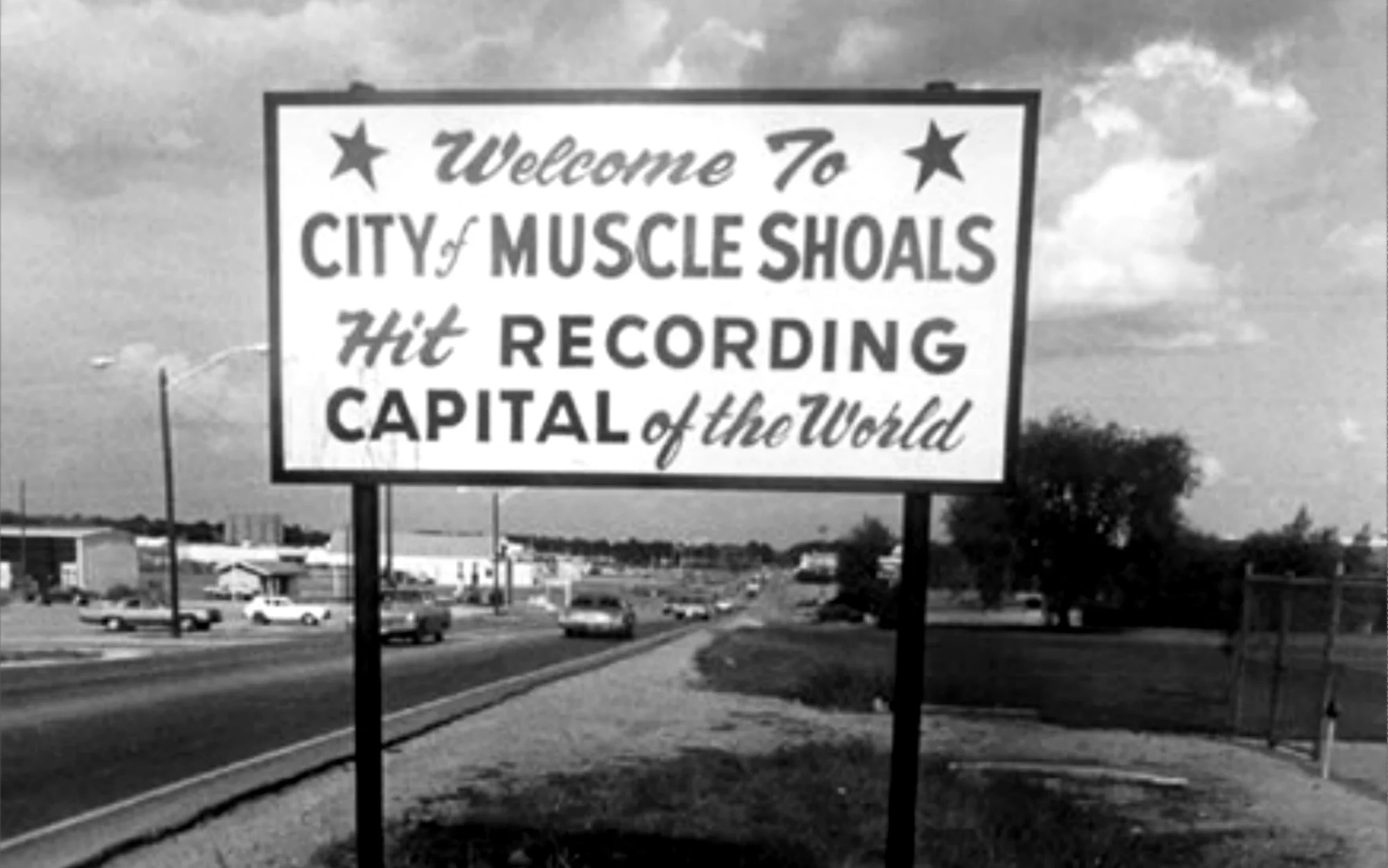
At the time of this writing, the sign was still there!
A town of just about 17,000, Muscle Shoals is nestled on the Tennessee River, about halfway between Memphis and Chattanooga and just south of the Alabama state line. Nobody knows how Muscle Shoals got its name, but everybody knows Muscle Shoals has got the swampers.
At the center of the Muscle Shoals sound were two studios: FAME Studios, founded by Rick Hall in 1959, and its break-off Muscle Shoals Sound Studio, which was built in 1969 by the former FAME house rhythm section known as the Swampers.
The Muscle Shoals sound was shaped by a racially integrated group of session musicians who brought deep grooves, casual southern restraint, and emotional weight to their recordings, regardless of who was singing. That feeling attracted artists from all over the world.
By 1967, Atlantic Records had witnessed the success of Wilson Picket and Percy Sledge in Muscle Shoals, so the labels’ partner Jerry Wexler sent Aretha Franklin to Muscle Shoals to connect with her southern roots and find her sound. And find it she did… in just one day.
“[Jerry Wexler] said, ‘You know I’ve got this great little studio down in Muscle Shoals and these cats are really greasy, you’re going to love it.'”
– Aretha Franklin
Despite her husband causing enough reportedly drunken commotion to get kicked out and beat up by FAME Studios’ Rick Hall, Aretha managed to lay down two tracks: “I Never Loved a Man (The Way I Love You)” and “Do Right Woman, Do Right Man”.
In 1968, after being hired as a session musician by FAME’s Rick Hall, Duane Allman set up a camp in the studio’s parking lot, wanting to be close to the music being made, and not wanting to miss a single moment. He would play behind Aretha (on later sessions, not the first one), Boz Skaggs, King Curtis, and famously played on Wilson Pickett’s incendiary cover of The Beatles’ “Hey Jude”. In about two years, Duane would become known as one of the greatest guitar players of all time with The Allman Brothers.
By 1969, The Swampers had provided the backbone of dozens of massive hits, but were still simply paid session musicians, and this didn’t sit right with the band.
Atlantic’s Jerry Wexler was still disgruntled about the Aretha Franklin debacle, but he wanted that perfect swampy sound. So he made the backing group an offer: Atlantic would financially stake them to make their own studio.
And so The Swampers left FAME Studios and formed Muscle Shoals Sound Studio, competing against FAME. It had the distinction of being one of the first, if not the first studio owned by the rhythm section itself.
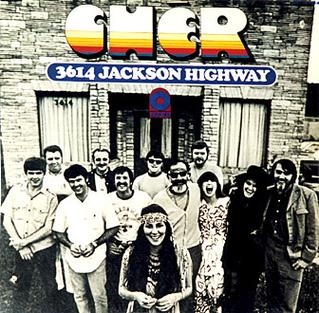
The first recording Muscle Shoals Sound Studio did was for Cher. Famously, she named the album 3614 Jackson Highway after the studio’s address, and featured a photo of herself and the whole crew on the cover.
A few months later, The Rolling Stones would come to record in what was one of the most magical sessions in rock history.
The session produced “Brown Sugar,” “Wild Horses,” and “You Gotta Move.” The total studio cost was famously $1,009.75. Talk about getting more than you paid for!
Suddenly, Muscle Shoals wasn’t a small one studio town, it was a recording destination known worldwide. In fact, that reputation still holds up today.
Rock artists like Paul Simon, and Bob Dylan came searching for authenticity they couldn’t manufacture elsewhere.
About that Lynyrd Skynyrd reference — Funny enough, despite Lynyrd Skynyrd name-checking Muscle Shoals’ The Swampers in “Sweet Home Alabama”, the version everyone knows was actually cut in June 1973 at Studio One in Doraville, Georgia. But in the two years earlier, before they were famous, they’d cut several demos at Muscle Shoals Sound Studio.
Many contemporary artists still record in Muscle Shoals. The Black Keys recorded their landmark Grammy-winning album “Brothers” there in 2010. Jason Isbell, Chris Stapleton, Alicia Keys and Grace Potter are among many who have recorded in town the last few years.
In 2013, director Greg “Freddy” Camalier released a critically-acclaimed documentary simply called Muscle Shoals. It helped reignite a spark of interest in the small Alabama town, leading to more pilgrimages, more recordings, and continuing to solidify Muscle Shoals’ place in shaping and influencing popular music into the next century.
“We cut from the heart, not from the chart.”
– Rick Hall (FAME Founder)
The Original Swampers Lineup:
- Barry Beckett on Keyboards, who eventually became a notable producer
- Roger Hawkins on Drums, who was called “the greatest” by the likes of Aretha Franklin and Duane Allman
- David Hood on Bass, who was the “anchor” of the Swampers’ sound
- Jimmy Johnson on Guitar, who was an expert at “clean” rhythms, and the first engineer at the 3614 Jackson Highway studio.
Here’s the official Aretha Franklin recording of I Never Loved a Man The Way I Love You, backed by The Swampers:
Here’s Wilson Pickett’s “Hey Jude”, check out the INSANE Duane Allman guitar solo:

Browse the collection. Wear the legacy.
-
 Hot
HotCheech and Chong Los Cochinos T-Shirt – Classic Heavy Cotton
Price range: $34.97 through $39.97 This product has multiple variants. The options may be chosen on the product page -
 Hot
HotCheech and Chong Los Cochinos T-Shirt – Lightweight Vintage Style
Price range: $34.97 through $38.97 This product has multiple variants. The options may be chosen on the product page -
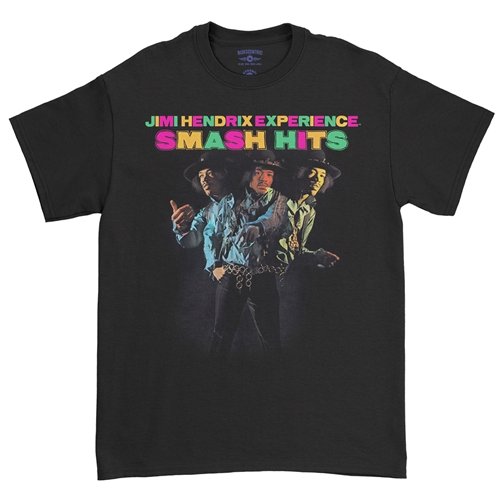 Hot
HotJimi Hendrix SMASH HITS Album Cover T-Shirt – Classic Heavy Cotton
Price range: $34.97 through $39.97 This product has multiple variants. The options may be chosen on the product page -
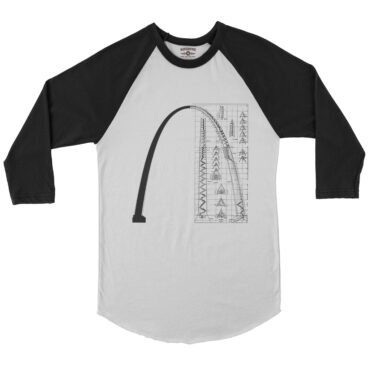 Hot
HotSaint Louis Arch Architecture Baseball T-Shirt
Price range: $37.97 through $39.97 This product has multiple variants. The options may be chosen on the product page