


Parliament and Funkadelic were two sides of the same super funky creative universe led by George Clinton — but they weren’t the same band. At first.

The easiest way to think about them is that they shared many of the same musicians, yet each group had its own style, rules, and identity.
Clinton used Parliament when he wanted polished, danceable funk, and Funkadelic when he wanted raw, trippy, guitar-heavy explorations. The two groups had a ton of overlap. They existed at the same time, had a lot of the same musicians, and often recorded in parallel.
It started in the early 1970s, Parliament and Funkadelic were technically separate acts. Clinton used the names for different record labels and different musical styles. By the mid-1970s, people were just calling them Parliament-Funkadelic (or P-Funk for short).
Funkadelic leaned toward psychedelic rock.
Early Funkadelic albums were heavy, distorted, and guitar-driven, shaped by players like Eddie Hazel and Bernie Worrell. The songs often had long jams, social commentary, and a darker, more experimental feel.
Records like Maggot Brain and Free Your Mind… And Your Ass Will Follow pushed boundaries in both sound and attitude.
Parliament focused on funk, groove, big-band energy, and more horns.
The horns were fuller, the hooks were catchier, and the whole thing leaned closer to R&B. Parliament albums were built on tight rhythms, humor, characters, and the massive P-Funk mythology.
Mothership Connection and The Clones of Dr. Funkenstein became pillars of 70s funk.
Then they became “Parliament-Funkadelic” or P FUNK
Which really became an umbrella term in the mid-1970s as George Clinton’s two groups started touring & recording so closely that fans & press needed a way to talk about the whole collective at once.
And so with the unstoppably funky force of Parliament and Funkadelic together, they formed the core of the P-Funk movement and changed the future of soul, funk, rock, and eventually hip-hop.
At Bluescentric, we work directly with George Clinton to design and manufacture unique and exclusive Funkadelic merchandise!
Funkadelic Articles, Trivia, Music & More
Browse the collection. Wear the legacy.
-
 Hot
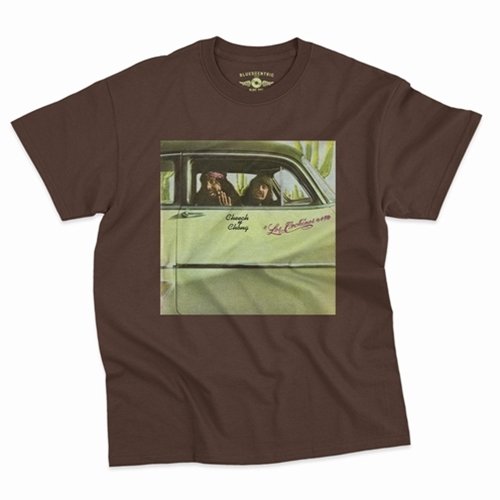
HotCheech and Chong Los Cochinos T-Shirt – Classic Heavy Cotton
Price range: $34.97 through $39.97 This product has multiple variants. The options may be chosen on the product page -
 Hot
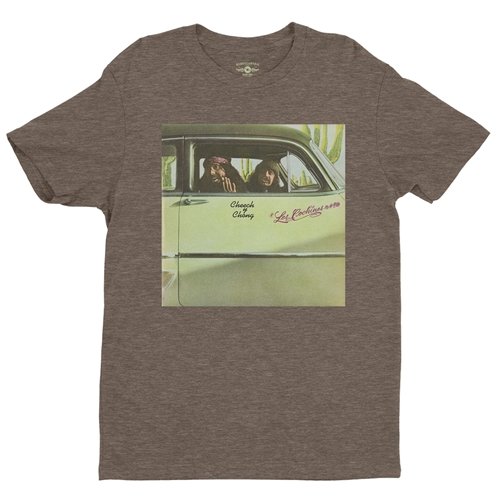
HotCheech and Chong Los Cochinos T-Shirt – Lightweight Vintage Style
Price range: $34.97 through $38.97 This product has multiple variants. The options may be chosen on the product page -
 Hot
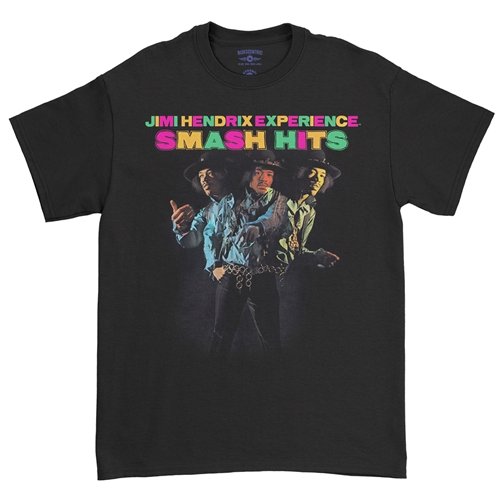
HotJimi Hendrix SMASH HITS Album Cover T-Shirt – Classic Heavy Cotton
Price range: $34.97 through $39.97 This product has multiple variants. The options may be chosen on the product page -
 Hot
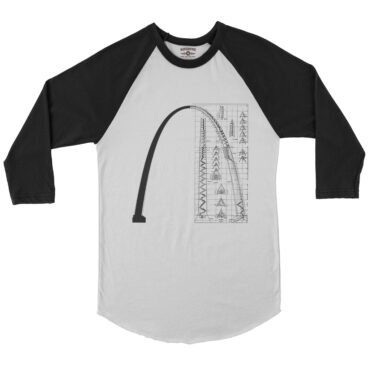
HotSaint Louis Arch Architecture Baseball T-Shirt
Price range: $37.97 through $39.97 This product has multiple variants. The options may be chosen on the product page