


“So What” is the opening song on the best selling jazz album of all time, 1959’s “Kind of Blue”. Here’s the interesting story behind the recording, and how this one album completely changed the direction of jazz & ushered in a new era of creativity.

At the time, Kind of Blue was a massive difference in music.
Jazz was all the rage, and what Jazz meant at the time was bebop, with complex and lots of fast changing chords. Miles was part of this scene for a long time, playing behind Jazz and bebop originator Charley Parker.
After almost fifteen years of playing bebop’s wild chord changes in smokey jazz bars coast to coast, Miles was ready to move on to something different. It was one of many times in his career he sought & achieved reinvention.
So in a near-180 from what was popular at the time, Miles focused on a certain set of scales (Dorian) on just two chords, D and Eb.
And he didn’t bring sheet music to the recording session! He just hand sketched scales on some paper earlier that day. The goal was to be able to have the space to play spontaneously, on feeling, without having to focus on changing to the right chord at the exact right time.
Miles assembled the best of the best at the time for the Kind of Blue session. After the session, they would all individually be known as among the best of all time…
Miles Davis on Trumpet
John Coltrane on Tenor Saxophone
Julian “Cannonball” Adderley on Alto Saxophone
Bill Evans on Piano
Paul Chambers on Bass
Jimmy Cobb on Drums
Listeners will usually instantly recognize that big thumping bass that’s very unique to the album. Chambers famously plays the main melody on his stand up bass, which was very unusual for bassists at that time.
Kind of Blue was done in two sessions, March 2 and April 22, 1959. “So What” was recorded in the first session. They recorded it at Columbia Records’ 30th Street Studio in Manhattan, known for it’s heavy reverb.
One fascinating thing about this album and the song “So What” is, with little exception, the songs were recorded in one single take!
The songs you hear was the band playing the whole song, all at once, with little warm up or rehearsal. The whole point was to capture the feeling, in contrast with the high polish pace of bebop.
In fact, his label only had to pay for about nine studio hours to record the whole thing, which is simply unheard of.
The album turned all of Jazz on its head, and brought massive popularity to the entire genre. And it set loose a flood of Jazz musicians who practiced new innovations, new styles and new ways of looking at what Jazz is and what it could be.
“Bill had this quiet fire… the sound he got was like crystal notes or sparkling water cascading down from some clear waterfall.” – Miles on Bill Evans
It came at the perfect time too. The upheaval of changing jazz fit perfectly into the dawn of the 60s and the hippie revolution, where people were spreading and learning new ideas, painting with and wearing brighter colors, and daring to try new things.
the album reportedly sold 5,000 copies a week for decades, eventually going 4x platinum by 2008, and then by 2025 when we wrote this article, it had jumped to 6x platinum and rising fast. With the advent of the web and easier access to music, Miles Davis’ “So What” and “Kind of Blue” are influencing more people than ever before.
From the first notes, “So What” broke the rigid mold of Jazz structure up to that point, and let loose the creativity that would help define Jazz as America’s greatest export.
Next, discover why Miles Davis stopped playing “Kind of Blue” Live
Why Miles Davis stopped playing trumpet for five years
Here’s the Official Miles Davis So What Music Video:
Browse the collection. Wear the legacy.
-
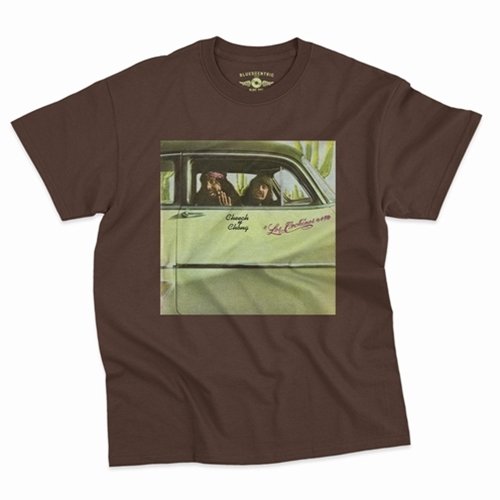 Hot
HotCheech and Chong Los Cochinos T-Shirt – Classic Heavy Cotton
Price range: $34.97 through $39.97 This product has multiple variants. The options may be chosen on the product page -
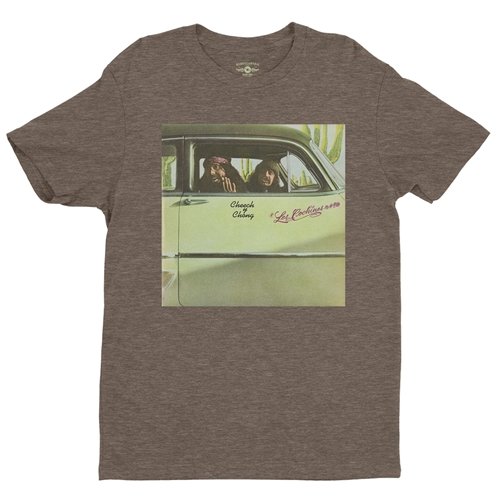 Hot
HotCheech and Chong Los Cochinos T-Shirt – Lightweight Vintage Style
Price range: $34.97 through $38.97 This product has multiple variants. The options may be chosen on the product page -
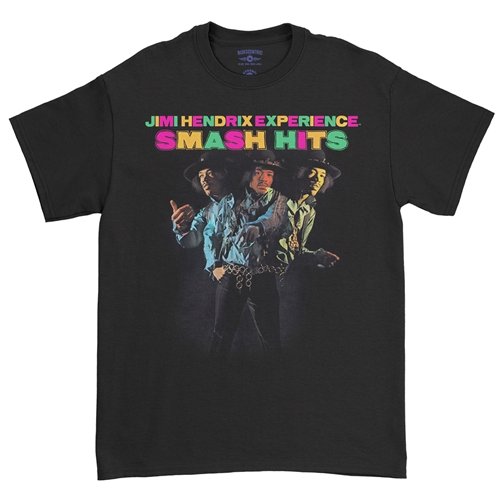 Hot
HotJimi Hendrix SMASH HITS Album Cover T-Shirt – Classic Heavy Cotton
Price range: $34.97 through $39.97 This product has multiple variants. The options may be chosen on the product page -
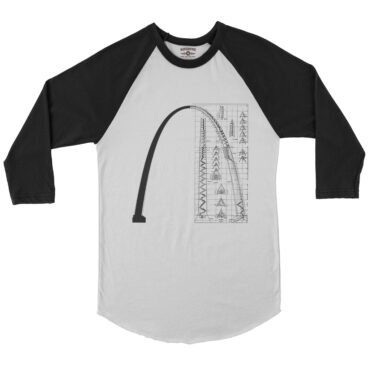 Hot
HotSaint Louis Arch Architecture Baseball T-Shirt
Price range: $37.97 through $39.97 This product has multiple variants. The options may be chosen on the product page